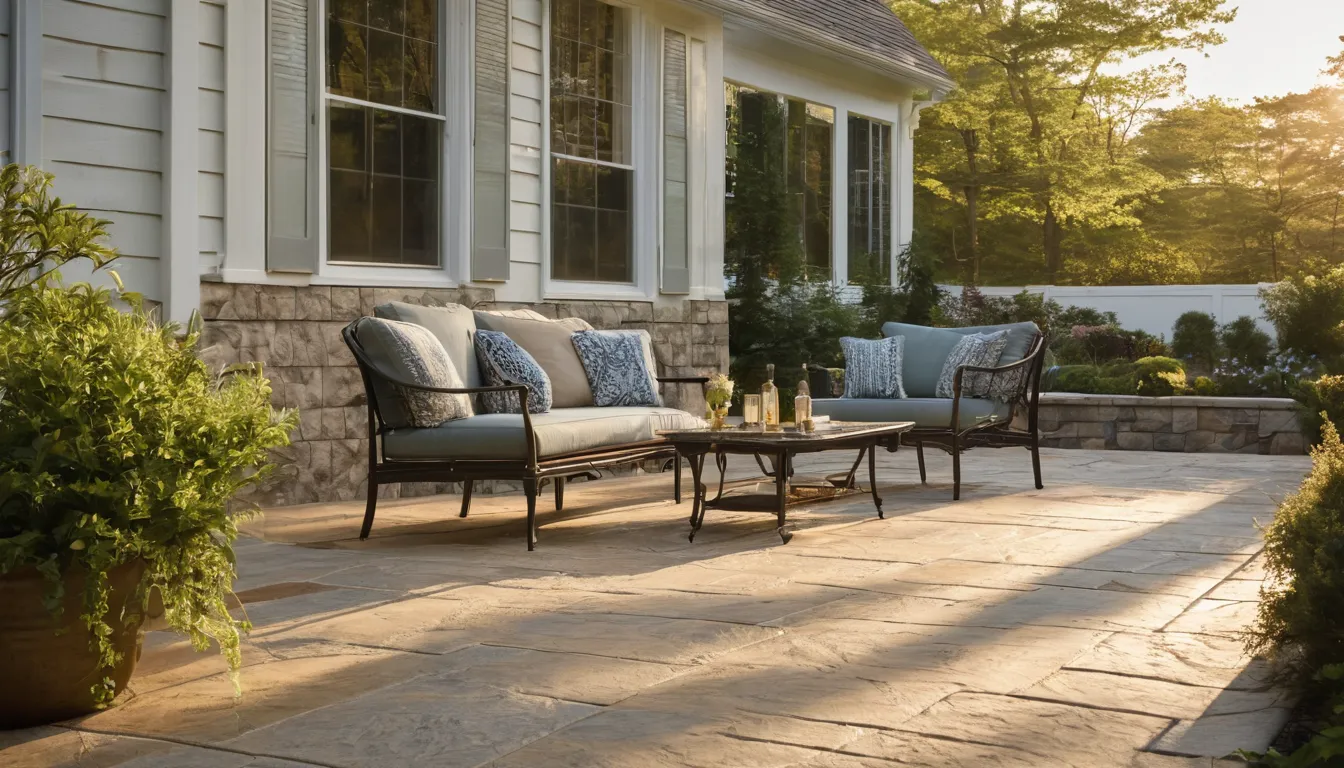
Need concrete driveways in Philadelphia?
Tell us about your driveway or patio plan. Send the estimate form, or request a callback to check provider availability. Hours vary by provider.
No obligationNew Concrete Driveways & Patios in Philadelphia, PA
Request your estimate first
Say you pull into your driveway and feel every bump through the steering wheel. The cracks have spread, the patches have failed, and puddles sit where water should run off. That is often the moment a new concrete driveway starts to make sense.
Convincemoments Concrete is a referral service. We connect homeowners in Philadelphia and the Philadelphia area with independent local providers who pour driveways. The providers do the work, and you stay in charge of the decision. Send an estimate request, hear back from a provider, and compare what you learn. There is no obligation, and you move forward only when it feels right.
Say you come home after a long day and the slab under your tires feels like a washboard. You patched it last spring. The patch has cracks of its own now. This page is for that moment.
It explains what a new concrete driveway involves, so you can ask good questions and move forward without a stack of browser tabs. Less searching, more progress.
Concrete driveway repair is fine for a few hairline cracks or one chipped edge. It stops making sense when the damage keeps coming back. Each patch costs money, and the slab underneath keeps moving.
Picture a driveway with ten patches. At some point you are paying for the same problem again and again. A new slab on a proper base can end that cycle.
Look for a few clear clues:
One sign alone may not mean much. Three or four together usually do.
Cold, snowy winters are tough on flat slabs. Water slips into small cracks, turns to ice and pushes the cracks wider. Then it thaws and does it again.
Spring snowmelt adds more water. Coastal storms can soak the ground under a driveway and soften the base. A new slab built for these swings holds up far better than an old one that was poured thin.
Say you notice water pooling along the foundation after a storm. The driveway may slope the wrong way. That is common on older homes with stone or block foundations.
A driveway provider can tell you whether the slope is part of the problem. If you suspect the foundation itself is damaged, foundation repair experts handle that separately. A new driveway can at least send water away from the house instead of toward it.
Most projects follow the same path:
This kind of concrete flatwork looks simple from the street. The base and prep make most of the difference.
Picture two cars parked side by side with the doors open. That tells you more than a tape measure. Many homeowners find a single-car width feels tight once they add a trash bin or a bike.
Think about turning room, guest parking and where snow gets piled. Ask each provider to mark the shape on the ground with paint or stakes before you decide.
A typical home driveway is about four inches thick. Heavier trucks, RVs or delivery vehicles may call for five or six. Thicker edges can help where the slab takes the most weight.
The mix matters too. In cold regions, providers often use air-entrained concrete, which handles frost cycles better. Ask what mix they plan to use and why.
A broom finish is the usual choice. It gives tires and boots a bit of grip on wet or icy days. A smooth trowel finish looks sleek but can be slick.
Some homeowners add a decorative border or a color. Keep it simple on the main drive if winter traction is a worry.
The apron is the part of the driveway where it meets the street. In many towns, that piece falls under local rules. You may need a permit, and the town may set the width, slope and thickness.
Say you skip this step and the inspector asks you to redo the apron. That is a costly surprise. Ask each provider if they handle permits or expect you to. Your town office can also answer quick questions.
Compare, then decide. Get more than one written quote if you can. Line them up side by side and look at the details, not just the total.
Check the square footage, the thickness, the base depth, the removal of old concrete and the finish. Two quotes can look far apart simply because one leaves things out. There is no obligation to say yes to anyone.
Keep a short list handy:
Clear answers are a good sign. Vague ones are worth a second look.
Providers in our network are independent local businesses. They set their own prices, schedules and terms. Convincemoments Concrete does not do the work and does not choose for you.
Ask to see recent driveway jobs and check that the provider carries the licensing and insurance your area requires. Ask for those details in writing.
Concrete needs mild weather to cure well. In cold regions, that often means late spring through early fall. Busy seasons fill calendars, so asking early helps.
Request a callback to check provider availability, or use the form and let a provider reach out to you.
Picture the slab on the first evening. It looks done, but it is still hardening. Keep cars off for the time your provider gives you, often about a week. Keep foot traffic and pets off for the first day or two.
Wait a few weeks before you drive heavy vehicles on it. In the first winter, avoid de-icing salts if you can. Shovel or use sand for traction instead.
Estimate first, call second. Send a short request, tell us what you have in mind, and a local provider can follow up. Then compare what you hear and decide when you are ready.
The provider breaks up the worn concrete, hauls it away and clears the space for new work.
The ground is shaped for drainage and topped with packed gravel to support the new slab.
Forms set the edges, and rebar or mesh adds strength where the slab carries weight.
Concrete is poured, leveled and given a grippy finish, then cut with joints and left to cure.
Prices vary a lot by region, access and design. These are typical U.S. ranges only, so always ask for a written quote that lists every item.
| Item | Typical range | Notes |
|---|---|---|
| New plain driveway, per sq ft | $6 – $12 | Broom finish, standard base and thickness |
| Single-car driveway total | $3,000 – $6,000 | Depends on length and width |
| Two-car driveway total | $5,000 – $12,000 | Larger area, more base material |
| Old slab removal | $1 – $3 per sq ft | Higher if the slab is thick or reinforced |
| Extra base or regrading | $500 – $3,000 | Needed on soft or sloped ground |
| Permit and apron work | $100 – $1,500 | Rules and fees differ by town |
Tell us about your driveway, the size you have in mind and your timing.
An independent local provider follows up to ask questions and talk through the project.
Review the written quotes side by side, looking at base, thickness, finish and permits.
Choose a provider, schedule the work, or walk away. There is no pressure either way.
Send one request instead of sorting through dozens of listings and trying to guess who is reliable.
Providers in our network are independent businesses that work in your area and know local conditions.
Hear from a provider, weigh the details, and decide at your pace with no obligation.
The form comes first, and a phone option is there if you prefer to talk.
Tell us about your driveway or patio plan. Send the estimate form, or request a callback to check provider availability. Hours vary by provider.
No obligationA well-built concrete driveway often lasts 25 to 30 years or more. Base prep, thickness, the concrete mix and winter care all affect how long yours holds up in a cold climate.
Most providers say to keep cars off for about seven days and heavy vehicles off for about 28 days. Your provider will give exact timing based on the mix and the weather.
Often yes, especially if the work touches the street apron or changes the width. Rules vary by town, so ask your local office or have the provider explain what applies to you.
Tell us about your driveway or patio plan. Send the estimate form, or request a callback to check provider availability. Hours vary by provider.
No obligation